
I am Miklos Zala, and I was a Maria Skłodowska-Curie Fellow at CEPDISC of Aarhus University, Denmark, between September 2023 and August 2025. This MSCA action (grant number: 101107614) is titled “Disability, Discrimination and Linguistic Justice: A Human Variation Perspective” under the acronym HUMVAR. HUMVAR aims to advance knowledge on a particular disability model, the human variation model (HVM). If you want to learn more about the HVM and how HUMVAR enhances understanding of it, check the information and publications on this website under Publications.
HUMVAR’s objectives: The human variation model of disability (HVM) claims that differences in individual characteristics are a matter of degree. Once a given personal trait becomes atypical, it tends to be excluded from social arrangements. That is because arrangements are most frequently tailored to the average member of society. The HVM holds that disability is neither a personal health limitation nor a disadvantage stemming from the able-bodied majority’s prejudice. Instead, the emphasis is on the interaction between individual characteristics and the environment. Thus, the model places neither individuals nor discriminatory environments at the crux of the matter, but the mismatch between individual traits and the environment’s current accommodating capacity.
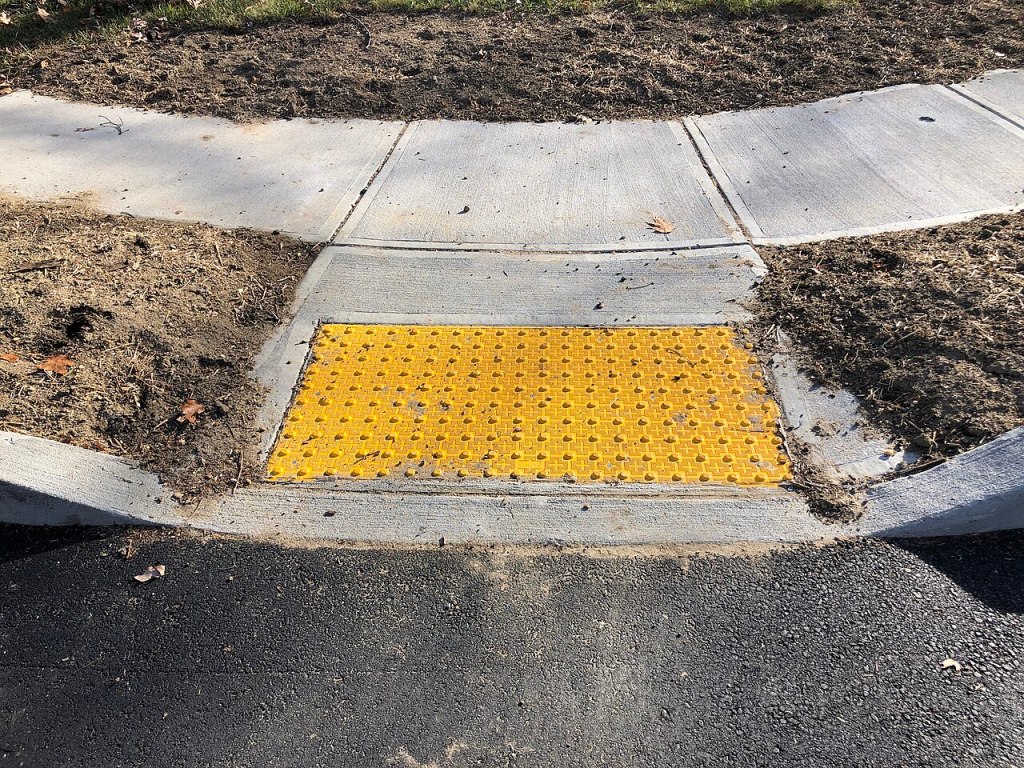
Despite the HVM having earned the status of a fundamental tool for understanding the process of disability, insufficient attention has been given to advancing it in needed ways since its original proponents, Richard Scotch and Kay Schriner, put it forward more than twenty-five years ago. As a result, the Action had the following objectives. First, to provide a philosophical defense of the HVM, emphasizing its strengths relative to other disability models. In addition, the first objective redefines the type of disability disadvantage that the model articulates as a special case of discrimination (discrimination-as-human-variation). The discrimination-based account of the HVM is revisionary—to wit, the original version of the model aims to be an alternative to discrimination-based approaches to disability. A significant type of disability disadvantage that the Action focuses on is inaccessible physical infrastructure.
The second objective shows that the HVM delineates a plausible causal story that grounds societal responsibility towards the disabled in creating more accessible physical and social environments. This analysis provides a new contribution to the debate on how causal analyses of disability models can buttress normative responses to disability disadvantage. The third objective defends the analogy between religious and disability accommodation by responding to critics who oppose it. The action shows that one important reason why some authors deny that there might be similar reasons to accommodate both religious believers and disabled people is that they believe disability is something negative people want to get rid of. The action points out that this is a false picture, and disability is often the problem of having atypical characteristics in a society tailored to typical people. In other words, if we understand disability through the HVM, we will see that some religious accommodations can be explained and justified by the HVM.
Publications:
 Site Title